
Some residents of Toronto, in my old neighbourhood of Leslieville, have discovered why the vast majority of planted ginkgo trees (Ginkgo biloba) are male.
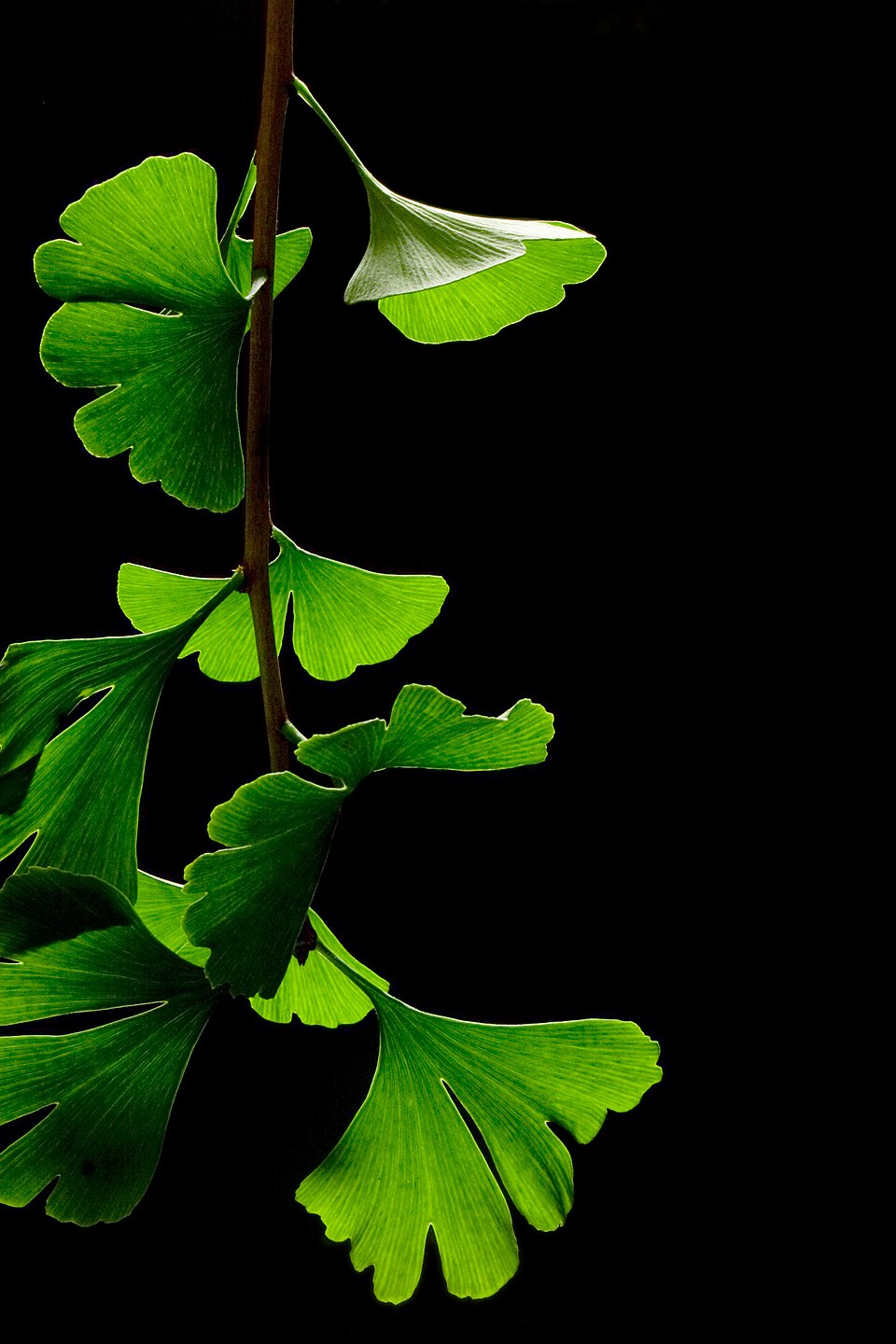
Ginkgo biloba leaves by James Field (CC BY-SA 3.0).

In addition to their beautiful and very unusual leaves, female ginkgo trees are known for the sticky and extremely foul smelling fruit they release in autumn. The smell is described in the article as “a cross between dog poop and vomit”.
Actually, technically, the ginkgo tree’s fruit are not fruit but fleshy seeds, as ginkgos are gymnosperms, like conifers and cycads. Another tree that pulls this trick is juniper, whose “berries” are used to make gin. Juniper berries are also not fruit but fleshy seed cones.
Anyway, the capacity for autumnal olfactory assault is just another thing that makes ginkgos are unique. And unique they are: a “living fossil” and the only extant representative of the Ginkgoales, an otherwise extinct order of trees that was mostly displaced by flowering plants by the end of the Cretaceous. For a long time, it was believed Ginkgo biloba was extinct in the wild, preserved through cultivation by Chinese monks, though this story has been questioned.
The ginkgo’s story is long, strange, and, in autumn, unmistakable.